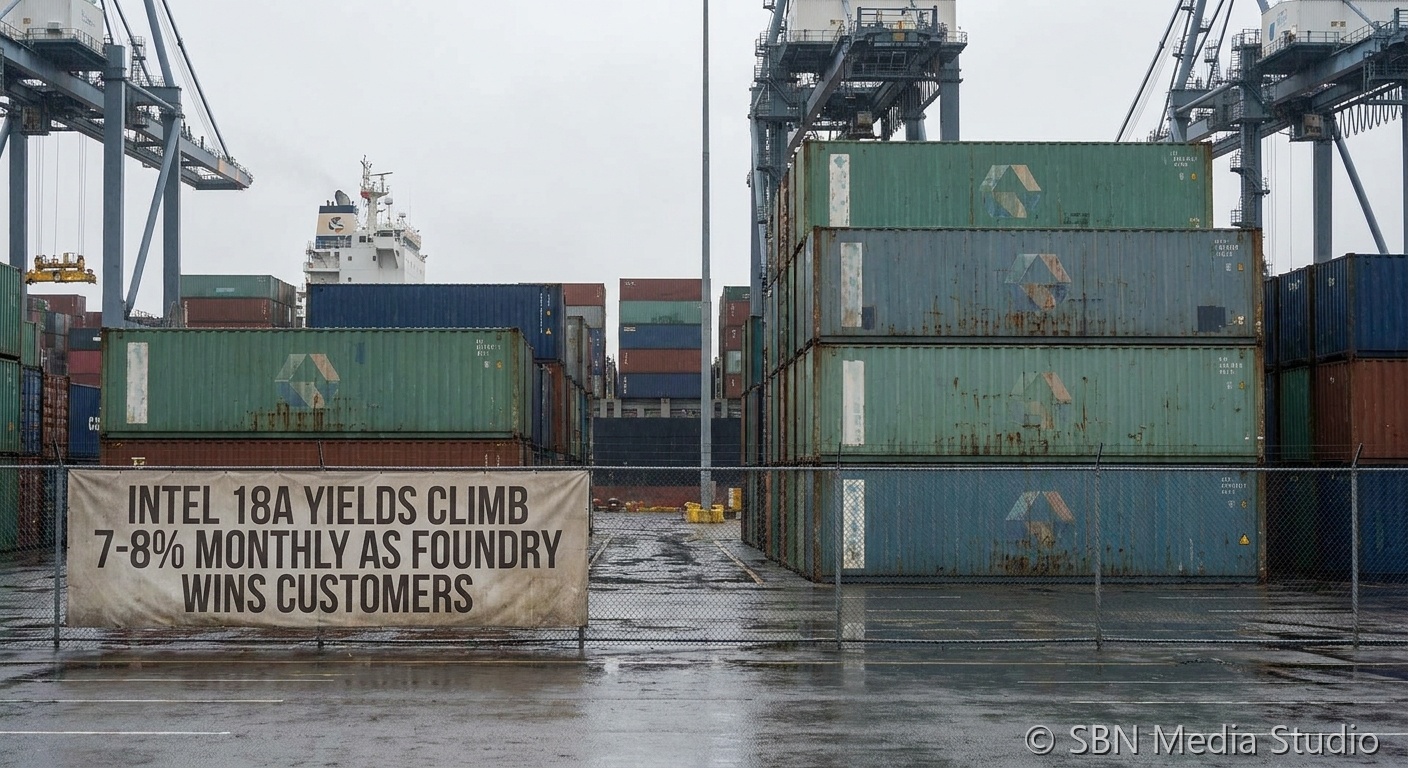
Iran Crisis Accelerates CHIPS Act Urgency — Trump Admin Fast-Tracks $8 Billion in Additional Fab Subsidies
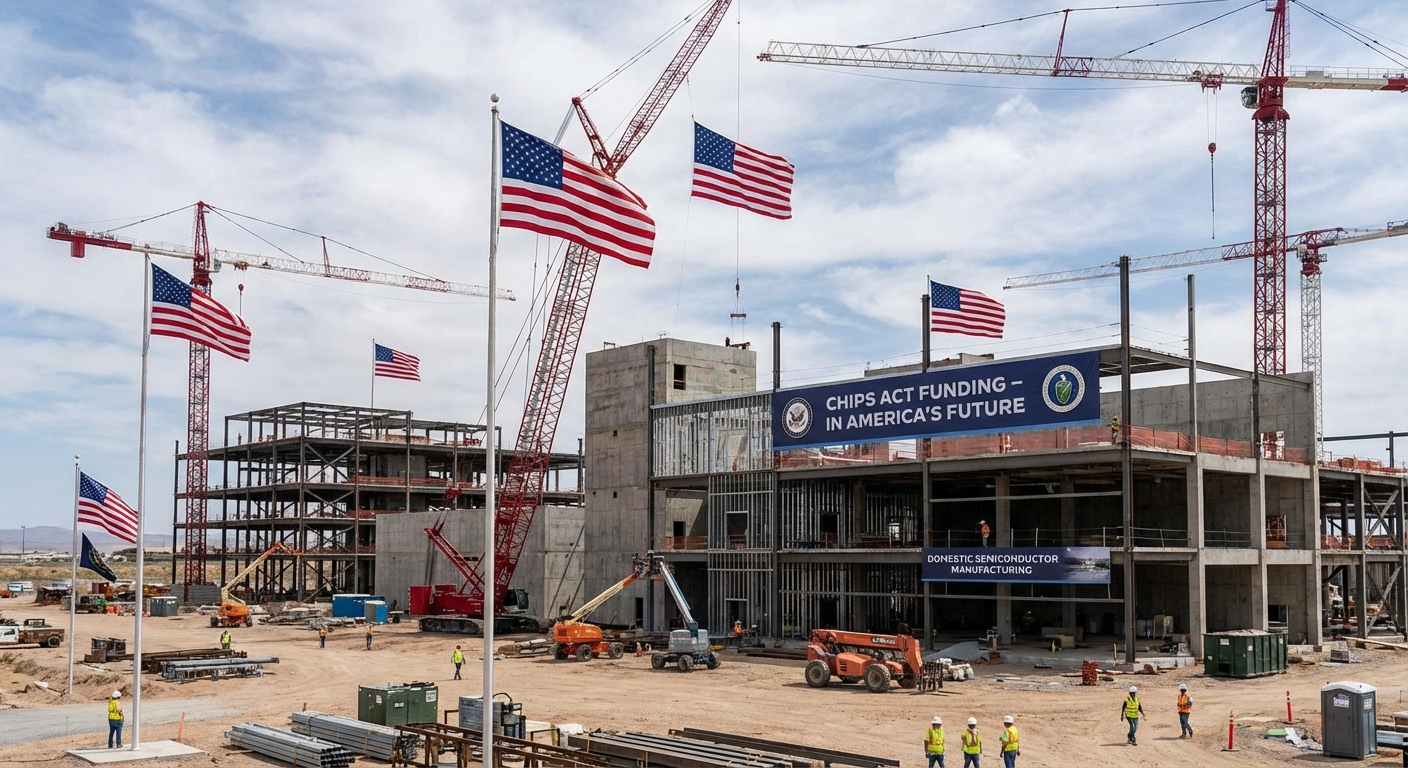
The Iran conflict has transformed the political calculus around domestic semiconductor manufacturing, with the administration announcing an emergency acceleration of $8 billion in additional CHIPS Act disbursements to fast-track U.S. fab construction. Commerce Secretary Howard Lutnick stated that the conflict "validates everything we warned about regarding the fragility of global chip supply chains" and announced streamlined permitting processes for fab construction in Arizona, Ohio, New York, and Texas. Intel's Fab 52 and Fab 62 in Arizona, TSMC's Phoenix facility, and Samsung's Taylor fab have all been designated as "critical national security infrastructure," qualifying them for expedited environmental reviews and accelerated construction timelines.
Japan has followed suit, announcing an additional $5 billion for Rapidus and TSMC's Kumamoto operations, while South Korea has pledged $3.2 billion in emergency subsidies to Samsung and SK Hynix to ensure uninterrupted domestic production. The European Chips Act is also being amended to increase total funding by 30%, with Germany's Saxony region and France's Grenoble cluster identified as priority sites for expanded capacity. India has accelerated its semiconductor incentive program, fast-tracking approvals for the Tata-PSMC fab in Gujarat and offering additional tax breaks to attract TSMC or Samsung to establish a presence on the subcontinent. The global race for semiconductor sovereignty has never been more intense.
The geopolitical shock has created bipartisan consensus that semiconductor self-sufficiency is no longer a long-term aspiration but an immediate national security imperative. A rare joint statement from the Senate Commerce and Armed Services committees called for doubling the original CHIPS Act funding over the next five years, bringing total U.S. semiconductor investment support to over $100 billion. Construction timelines that were previously measured in 4-5 year horizons are being compressed to 2.5-3 years through emergency permitting, 24/7 construction shifts, and modular fab building techniques pioneered by TSMC in Taiwan. The workforce challenge remains acute, however, with an estimated shortage of 67,000 skilled semiconductor workers in the United States alone — a gap that no amount of funding can close overnight and that represents the single biggest bottleneck to the reshoring ambition.
Sources
White House, Commerce Department, Reuters, Nikkei Asia