New Iran Sanctions Target Semiconductor Equipment and AI Chips — ASML, Applied Materials, and Lam Research Affected
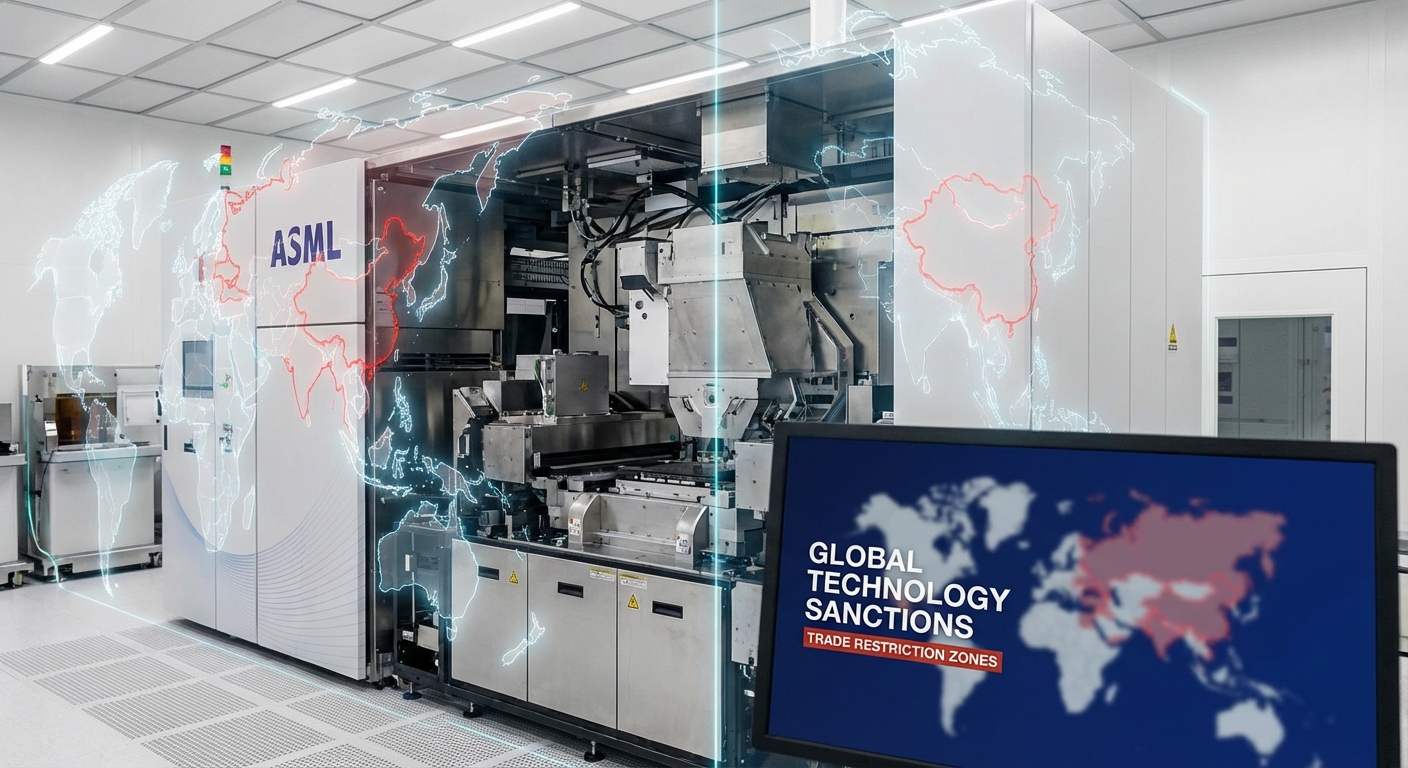
The U.S. Treasury Department and European Council have jointly announced expanded sanctions targeting Iran's access to semiconductor technology, AI accelerators, and advanced computing equipment. The new measures prohibit the sale or transfer of any semiconductor manufacturing equipment, EDA software tools, and chips above 100 TOPS of AI compute performance to Iranian entities. ASML, Applied Materials, Lam Research, and KLA Corporation are all directly affected by the export controls. The sanctions also target third-party intermediaries in the UAE, Turkey, and Central Asia that have facilitated technology transfers to Iran. Synopsys and Cadence have been directed to revoke any active EDA licenses held by Iranian universities or research institutions.
The tech sanctions are modeled on the China chip export control framework but applied more broadly, covering not just leading-edge technology but also mature-node equipment down to 28nm. This is a significant escalation from previous Iran sanctions, which primarily focused on financial instruments and energy exports. The Bureau of Industry and Security (BIS) has added 47 Iranian entities to the Entity List, including the Iranian Electronics Industries (IEI), several university research labs, and military-affiliated technology procurement organizations. U.S. officials have cited intelligence indicating that Iran was using imported semiconductor equipment to produce guidance system components and drone navigation chips, leveraging technology originally acquired through third-party shell companies in Dubai and Istanbul.
Industry analysts note that while Iran is not a significant semiconductor market — estimated at under $800 million annually — the sanctions signal a broader trend of technology becoming a primary instrument of geopolitical pressure alongside traditional economic and military measures. The practical enforcement challenge is substantial: the semiconductor supply chain involves thousands of intermediaries, and Iran has demonstrated sophistication in circumventing technology export controls through front companies and transshipment hubs. The Semiconductor Industry Association (SIA) has expressed cautious support for the sanctions while warning that overly broad restrictions could create compliance burdens for U.S. chipmakers that far exceed the strategic benefit, particularly if the controls inadvertently disrupt legitimate trade with allied nations in the region.
Sources
U.S. Treasury, European Council, Reuters, ASML