TSMC's Advanced 3nm and 2nm Chip Capacity Is Sold Out Through 2028 as AI Demand Overwhelms Supply
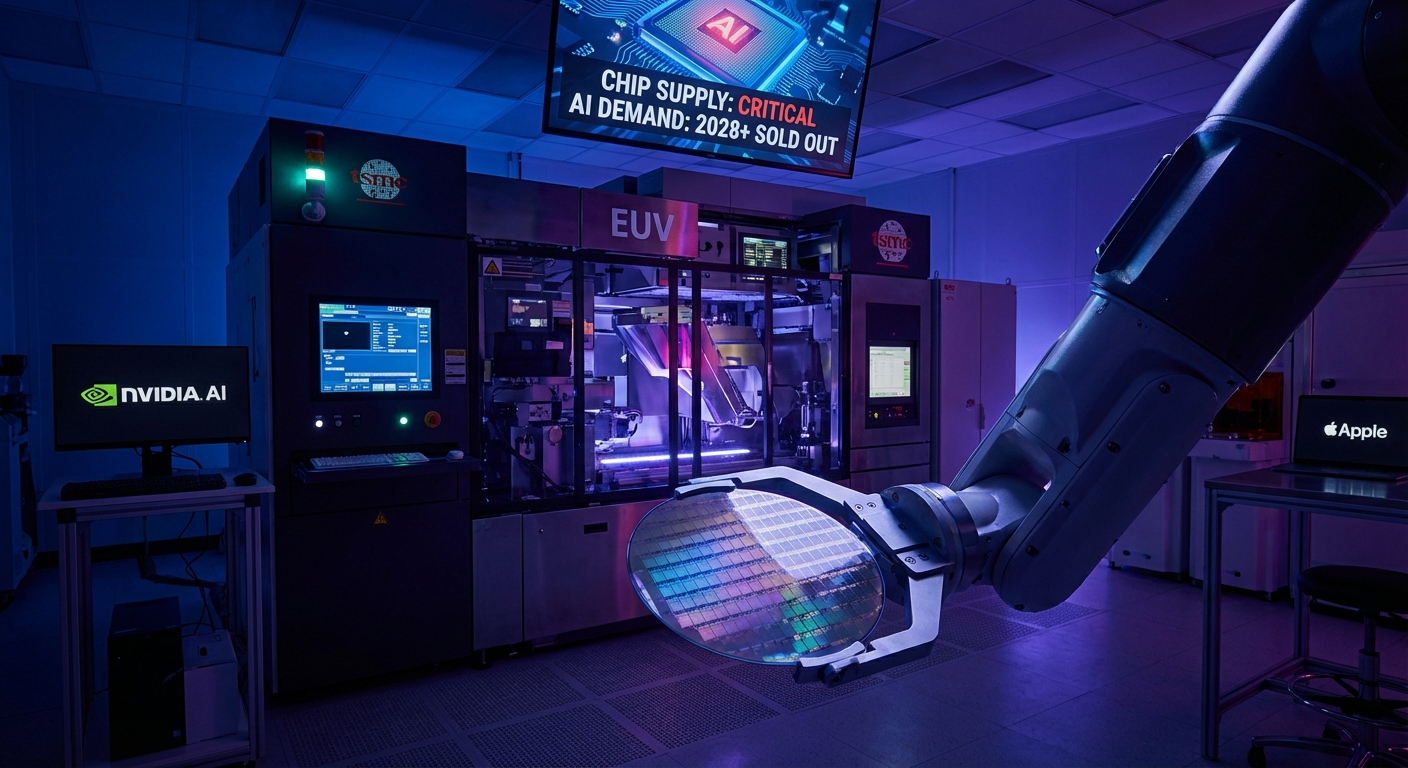
TSMC's most advanced process nodes — including its 3nm (N3) and 2nm (N2) families — are completely allocated through 2028, creating an industry-wide supply bottleneck that is reshaping competitive dynamics across semiconductors, AI, and consumer electronics. Apple is estimated to hold over 50% of early 2nm allocation, locking in the node for its A-series and M-series chips. Meanwhile, NVIDIA is projected to surpass Apple as TSMC's largest customer in 2026, generating approximately $33 billion in revenue for the foundry — driven by insatiable demand for AI data center accelerators.
TSMC is responding to the demand surge by planning a major GigaFab expansion in Arizona, which would add 2nm-class production capacity on US soil for the first time. The company has also launched 3nm production in Japan at its Kumamoto fab complex. However, analysts at TrendForce caution that new fab capacity takes 2-3 years to come online, meaning the current allocation squeeze will persist regardless of construction timelines. Competitors including Samsung Foundry and Intel Foundry are theoretically positioned to benefit, but neither has achieved the yield rates or customer trust needed to absorb TSMC's overflow demand at scale.
The sold-out status creates cascading effects across the technology supply chain. AMD, which relies on TSMC for its Zen 5 and upcoming Zen 6 CPUs and RDNA 4 GPUs, faces allocation constraints that limit how aggressively it can pursue data center GPU market share. Fabless chip startups targeting AI inference — including several funded with sovereign AI program capital — face multi-year waits for advanced node access. Dataconomy reported that TSMC's supply squeeze is being described by rival foundries as the single greatest commercial opportunity in the semiconductor industry's history, even as TSMC itself races to add capacity.
Sources
TrendForce, Dataconomy